

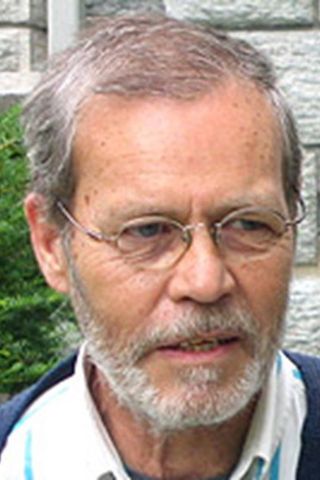
Jacques Leduc
Jacques Leduc (born November 25, 1941) is a Canadian film director and cinematographer. Leduc began his career in 1961 working as a film critic for the magazine Objectif. The following year, at the age of 21, he was hired as a camera assistant by the NFB. Over the course of the next few years he worked under such filmmakers as Denys Arcand, Gilles Carle, and Don Owen. In 1965 he began working as both Director and Cinematographer; his first film as director was a documentary short entitled Chantal en vrac. Leduc continued his work as Director with his first feature film in 1967 entitled Nomininque, depuis qu'il existe and his first feature documentary film in 1969 entitled Cap d'espoir. The documentary film was "about the muted violence that existed [in Quebec] and the monopoly over news held by Power Corp." and became one of the most famous cases of censorship at the NFB when it was banned by NFB commissioner Hugo McPherson. Leduc continued working on critically acclaimed films throughout the 70s and 80s such as On est loin du soleil (1970), Tendresse ordinaire (1973), and Trois pommes à côté du sommeil (1988). In 1990 he left the NFB and became a freelance filmmaker.[3] In 1992 he directed the film La vie fantôme; the film was named Best Canadian Film at the Montreal World Film Festival and earned a Genie Award for Best Screenplay nomination. Since then he has primarily worked with other Directors as their cinematographer and in 2008 was awarded the Prix Albert-Tessier.
Known for
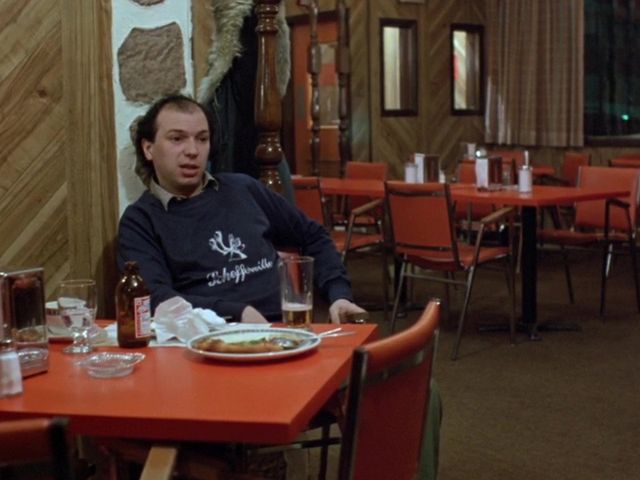
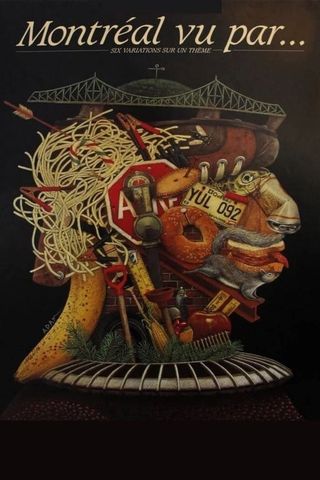
Montreal Stories
Director
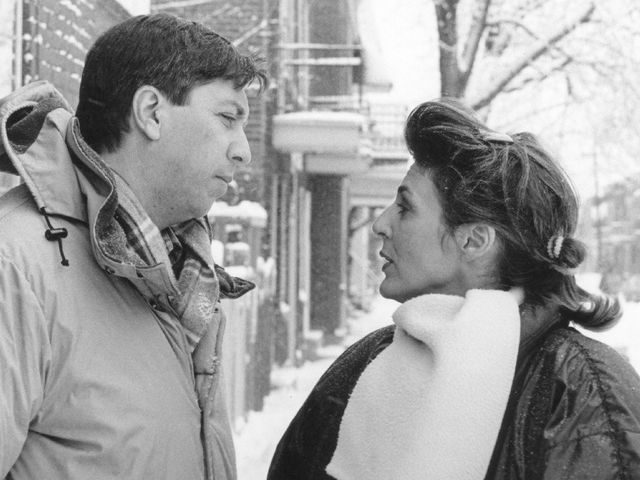
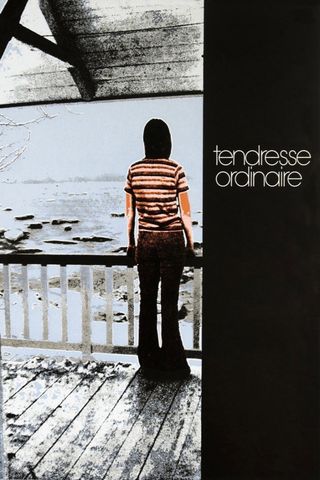
Ordinary Tenderness
Director
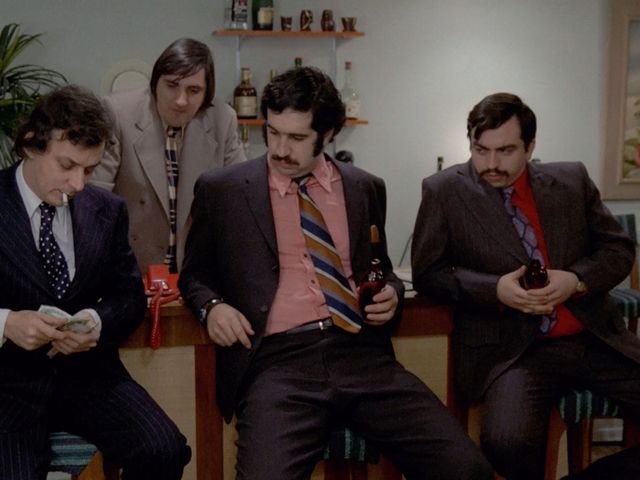
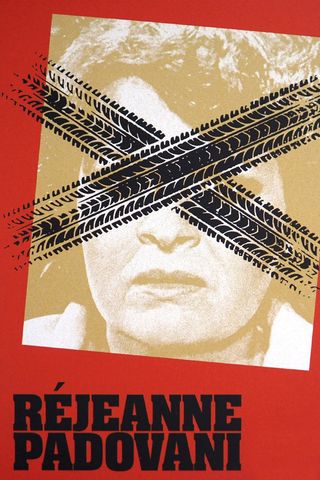
Réjeanne Padovani
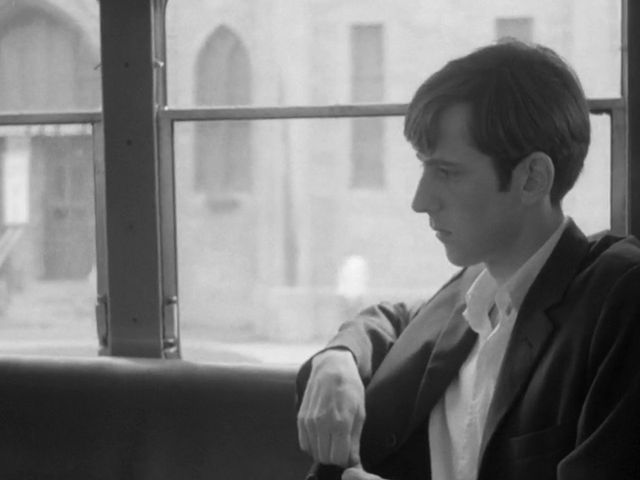
A Militant
Lundi - Une chaumière, un coeur
Director
Filmography
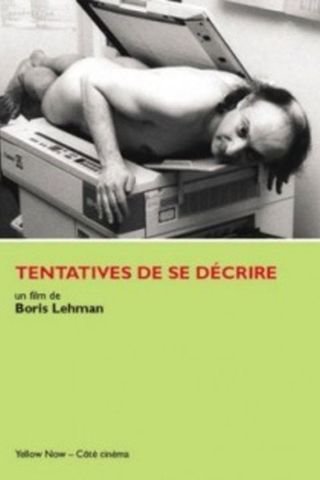
Trying to Describe Oneself
2005Movie
Director of Photography
La beauté du geste
2004Movie
Director of Photography
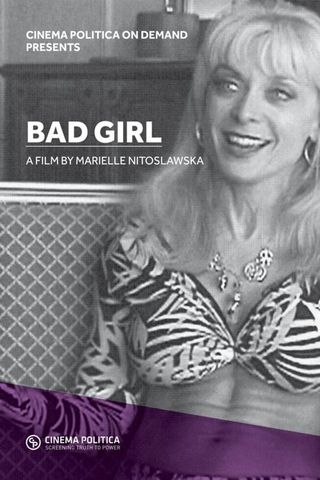
Bad Girl
2001Movie
Director of Photography

La loi de l'eau
2001Movie
Director of Photography
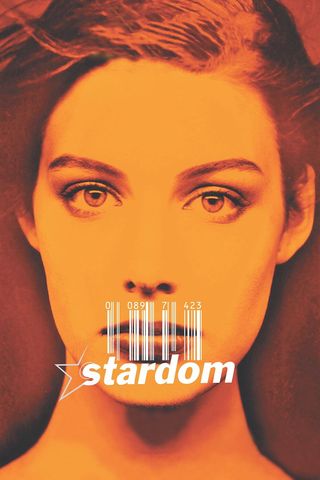
Stardom
2000Movie
Second Unit Director of Photography
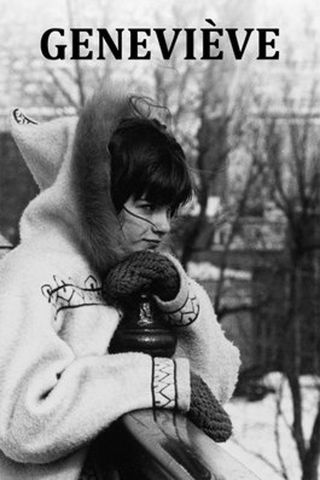
Geneviève
1964Movie
Additional Photography
You’ve reached the end of these credits.