

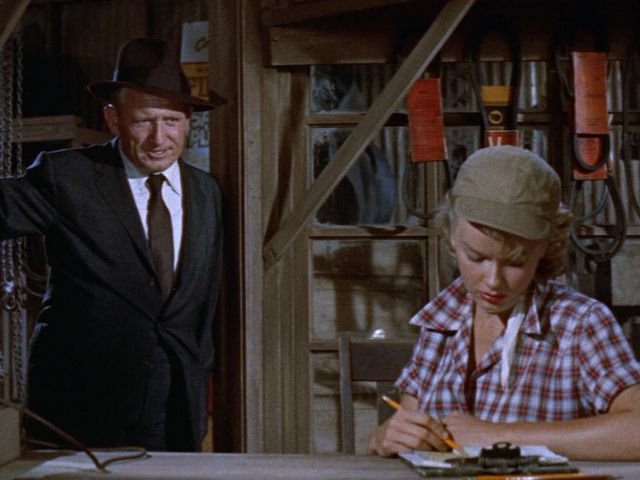
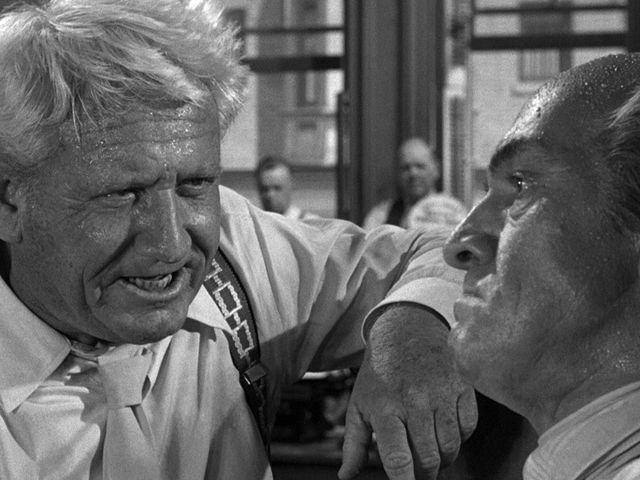


Spencer Tracy
Spencer Bonaventure Tracy (April 5, 1900 – June 10, 1967) was an American actor, noted for his natural style and versatility. One of the major stars of Hollywood's Golden Age, Tracy won two Academy Awards for Best Actor from nine nominations, sharing the record for nominations in that category with Laurence Olivier. Tracy first discovered his talent for acting while attending Ripon College, and he later received a scholarship for the American Academy of Dramatic Arts. He spent seven years in the theatre, working in a succession of stock companies and intermittently on Broadway. Tracy's breakthrough came in 1930, when his lead performance in The Last Mile caught the attention of Hollywood. After a successful film debut in John Ford's Up the River starring Tracy and Humphrey Bogart, he was signed to a contract with Fox Film Corporation. His five years with Fox featured one acting tour de force after another that were usually ignored at the box office, and he remained largely unknown to audiences after 25 films, almost all of them starring Tracy as the leading man. None of them were hits although The Power and the Glory (1933) features arguably his most acclaimed performance in retrospect. In 1935, Tracy joined Metro-Goldwyn-Mayer, at the time Hollywood's most prestigious studio. His career flourished with a series of hit films, and in 1937 and 1938 he won consecutive Oscars for Captains Courageous and Boys Town. He made three smash hit films supporting Clark Gable, the studio's principal leading man, firmly fixing the notion of Gable and Tracy as a team in the public imagination. By the 1940s, Tracy was one of the studio's top stars. In 1942, he appeared with Katharine Hepburn in Woman of the Year, beginning another popular partnership that produced nine movies over 25 years. Tracy left MGM in 1955, and continued to work regularly as a freelance star, despite an increasing weariness as he aged. His personal life was troubled, with a lifelong struggle against severe alcoholism and guilt over his son's deafness. Tracy became estranged from his wife in the 1930s, but never divorced, conducting a long-term relationship with Katharine Hepburn in private. Towards the end of his life, Tracy worked almost exclusively for director Stanley Kramer. It was for Kramer that he made his last film, Guess Who's Coming to Dinner in 1967, completed just 17 days before his death. During his career, Tracy appeared in 75 films and developed a reputation among his peers as one of the screen's greatest actors. In 1999 the American Film Institute ranked Tracy as the 9th greatest male star of Classic Hollywood Cinema.
Known for
Judgment at Nuremberg
Dan Haywood
Guess Who's Coming to Dinner
Matt Drayton
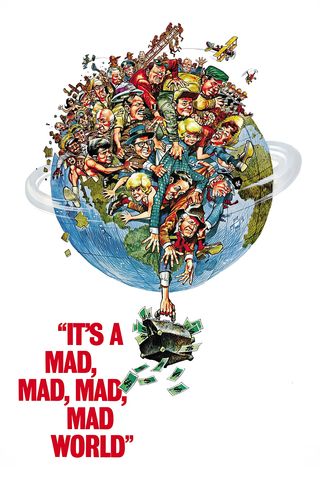
It's a Mad, Mad, Mad, Mad World
C. G. Culpepper
Inherit the Wind
Henry Drummond
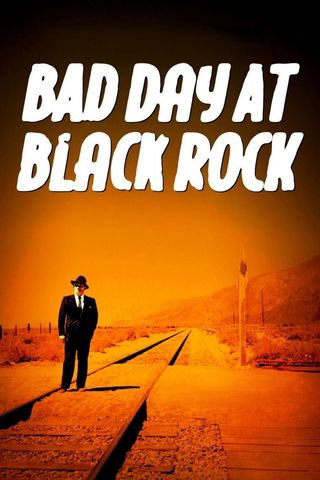
Bad Day at Black Rock
John J. Macreedy
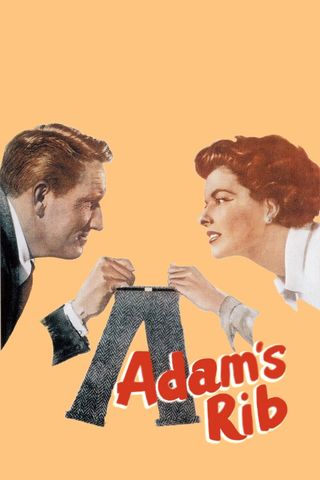
Adam's Rib
Adam Bonner
Father of the Bride
Stanley T. Banks
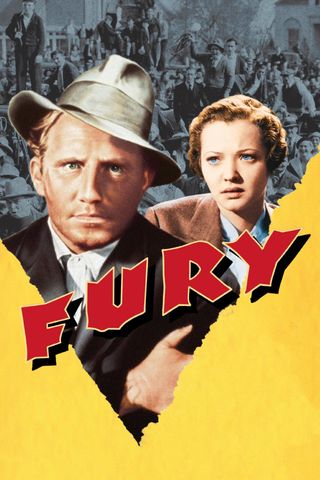
Fury
Joe Wilson
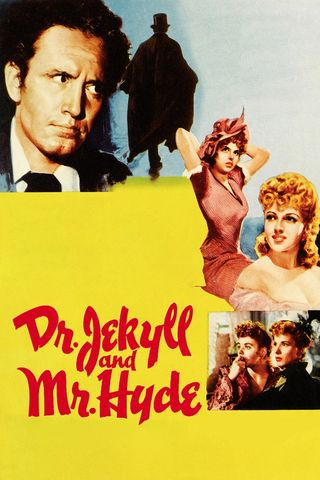
Dr. Jekyll and Mr. Hyde
Dr. Harry Jekyll / Mr. Hyde
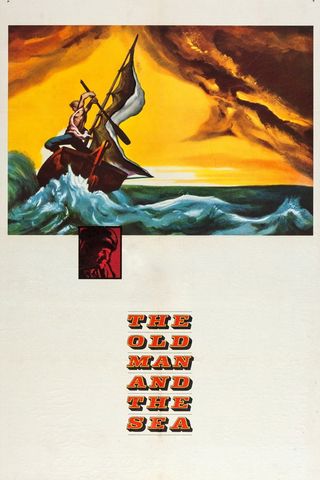
The Old Man and the Sea
The Old Man
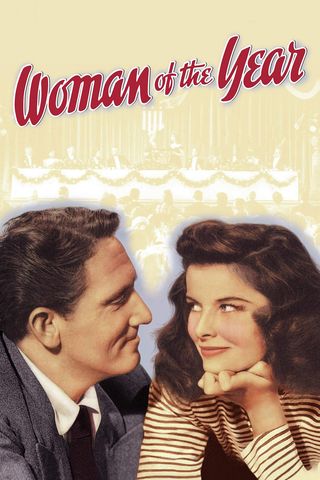
Woman of the Year
Sam Craig
Captains Courageous
Manuel Fidello



Filmography
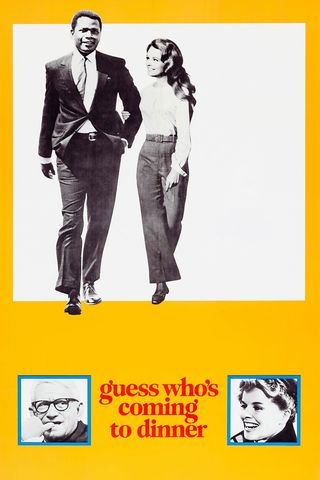
Guess Who's Coming to Dinner
1967Movie
Matt Drayton
It's a Mad, Mad, Mad, Mad World
1963Movie
C. G. Culpepper
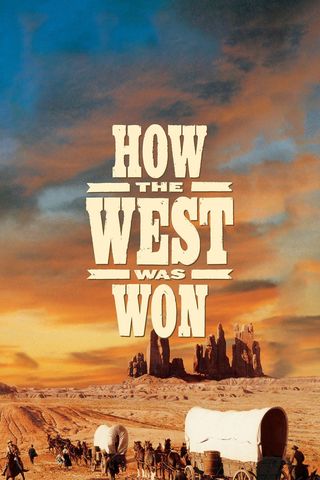
How the West Was Won
1962Movie
Narrator (voice)
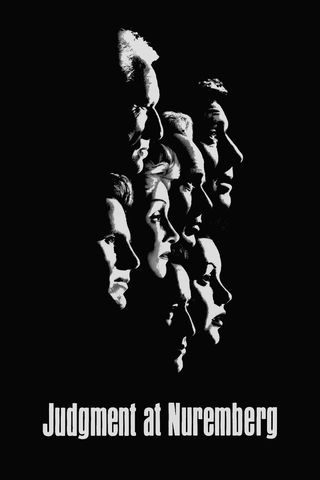
Judgment at Nuremberg
1961Movie
Dan Haywood

The Devil at 4 O'Clock
1961Movie
Father Matthew Doonan
Inherit the Wind
1960Movie
Henry Drummond
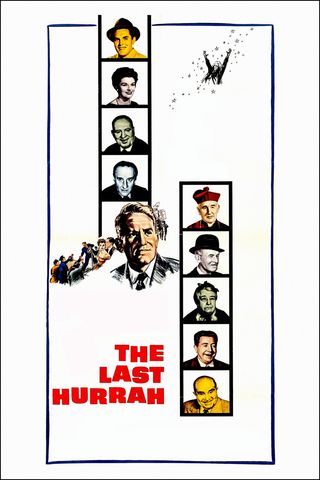
The Last Hurrah
1958Movie
Mayor Frank Skeffington
The Old Man and the Sea
1958Movie
The Old Man
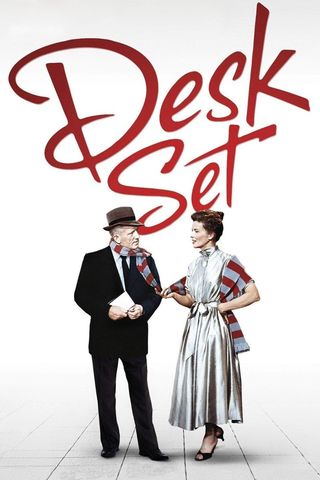
Desk Set
1957Movie
Richard Sumner
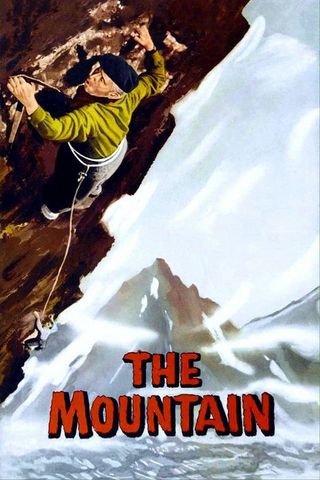
The Mountain
1956Movie
Zachary Teller
MGM Parade
1955TV series
1 episode
Bad Day at Black Rock
1955Movie
John J. Macreedy

Broken Lance
1954Movie
Matt Devereaux
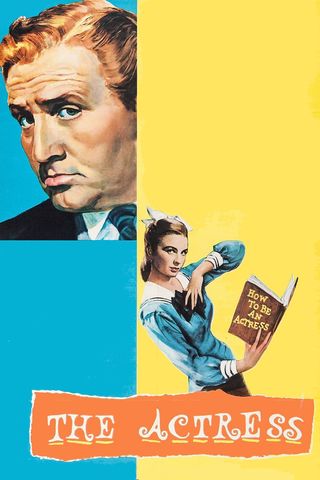
The Actress
1953Movie
Clinton Jones
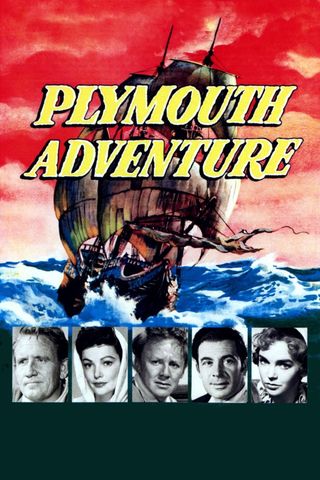
Plymouth Adventure
1952Movie
Capt. Christopher Jones

Pat and Mike
1952Movie
Mike Conovan

The People Against O'Hara
1951Movie
James P. Curtayne

Father's Little Dividend
1951Movie
Stanley Banks
Father of the Bride
1950Movie
Stanley T. Banks

Malaya
1949Movie
Carnaghan