



Wilkie Collins
Collins was born at 11 New Cavendish Street, Marylebone, London, the son of a well-known Royal Academician landscape painter, William Collins and his wife, Harriet Geddes. Named after his father, he swiftly became known by his middle name, which honoured his godfather, David Wilkie. The family moved to Pond Street, Hampstead, in 1826. In 1828 Collins's brother Charles Allston Collins was born. Between 1829 and 1830, the Collins family moved twice, first to Hampstead Square and then to Porchester Terrace, Bayswater. Wilkie and Charles received their early education from their mother at home. The Collins family were deeply religious, and Collins's mother enforced strict church attendance on her sons, which Wilkie disliked. In 1835, Collins began attending school at the Maida Vale academy. From 1836 to 1838, he lived with his parents in Italy and France, which made a great impression on him. He learned Italian while the family was in Italy and began learning French, in which he would eventually become fluent. From 1838 to 1840, he attended the Reverend Cole's private boarding school in Highbury, where he was bullied by a boy who would force Collins to tell him a story before allowing him to go to sleep. "It was this brute who first awakened in me, his poor little victim, a power of which but for him I might never have been aware... When I left school I continued story telling for my own pleasure", Collins later said. In 1840 the family moved to 85 Oxford Terrace, Bayswater. In late 1840, he left school and was apprenticed as a clerk to the firm of tea merchants Antrobus & Co, owned by a friend of Wilkie's father. He disliked his clerical work but remained employed by the company for more than five years. Collins's first story The Last Stage Coachman, was published in the Illuminated Magazine in August 1843. In 1844 he travelled to Paris with Charles Ward. That same year he wrote his first novel, Iolani, or Tahiti as It Was; a Romance, which was submitted to Chapman and Hall but rejected in 1845. The novel remained unpublished during his lifetime. Collins said of it: "My youthful imagination ran riot among the noble savages, in scenes which caused the respectable British publisher to declare that it was impossible to put his name on the title page of such a novel." It was during the writing of this novel that Collins's father first learned that his assumptions that Wilkie would follow him in becoming a painter were mistaken. William Collins had intended Wilkie for a clergyman and was disappointed in his son's lack of interest. In 1846 he instead entered Lincoln's Inn to study law, on the initiative of his father, who wanted him to have a steady income. Wilkie showed only a slight interest in law and spent most of his time with friends and on working on a second novel, Antonina, or the Fall of Rome. After his father's death in 1847, Collins produced his first published book, Memoirs of the Life of William Collins, Esq., R. A., published in 1848.
Known for
ITV Saturday Night Theatre
Writer · 1 episode
Der rote Schal
Creator
The Policeman and the Cook
Writer

Filmography
Secret Name
2021Movie
Novel
The Woman in White
2018TV series
Novel · 5 episodes
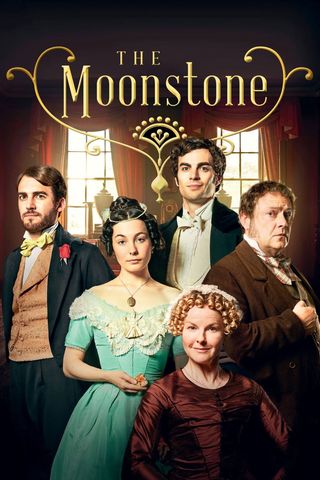
The Moonstone
2016TV series
Novel · 5 episodes
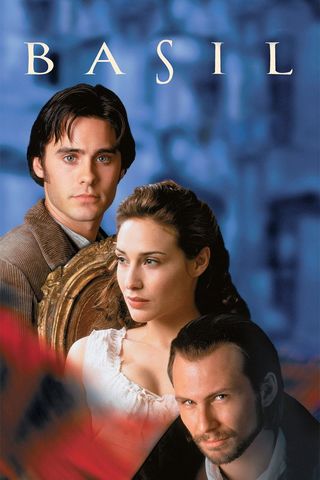
Basil
1998Movie
Novel

The Woman In White
1997Movie
Novel
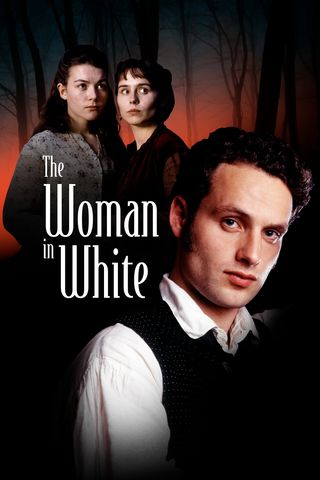
The Woman In White
1997TV series
Novel · 2 episodes
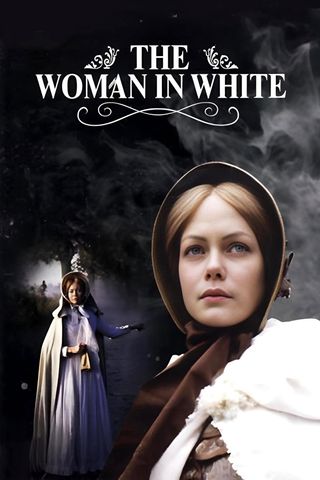
The Woman in White
1982TV series
Novel · 5 episodes

The Woman in White
1981Movie
Novel
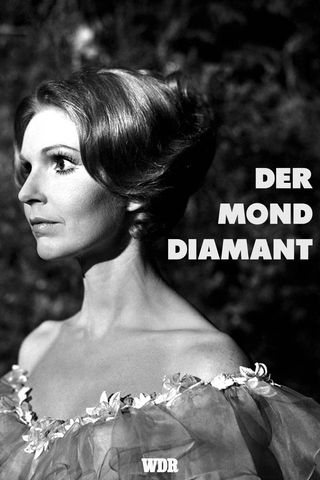
Der Monddiamant
1974TV series
Novel · 2 episodes

Orson Welles' Great Mysteries
1973TV series
Story · 1 episode
Der rote Schal
1973TV series
Novel · 3 episodes
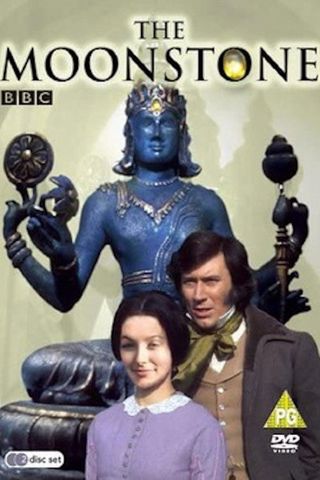
The Moonstone
1972TV series
Novel · 5 episodes
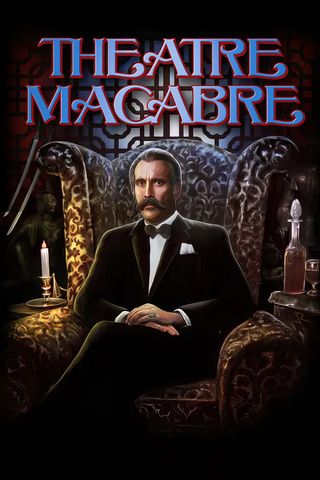
Theatre Macabre
1971TV series
Short Story · 1 episode
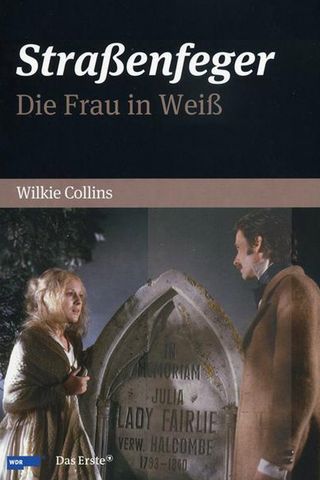
Die Frau in Weiß
1971TV series
Novel · 3 episodes
The Policeman and the Cook
1970Movie
Writer
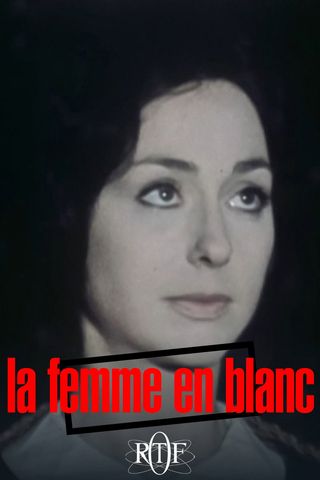
The Woman in White
1970TV series
Writer · 13 episodes
ITV Saturday Night Theatre
1969TV series
Writer · 1 episode
The Dow Hour of Great Mysteries
1960TV series
Novel · 1 episode

The Woman in White
1948Movie
Novel
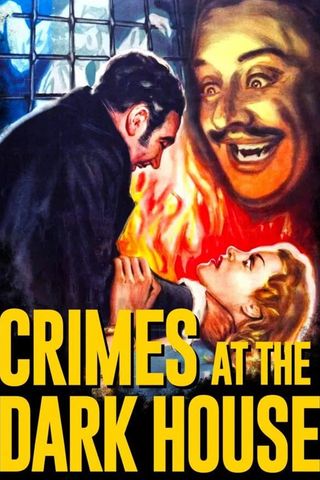
Crimes at the Dark House
1940Movie
Novel